The Data: Biodiversity Metrics by Berlin Asset Class
Aura’s analysis of the Berlin market benchmarks performance across four critical metrics: Natural Cover, MSA Land Use (ecological intactness), Protected Area Sensitivity, and Threatened Species Total. These indicators help asset managers move beyond generic sustainability claims to data-backed nature reporting.
| Asset Type |
Avg. Overall Score |
Avg. Natural Cover % |
Avg. MSA Land Use |
Protected Area Sensitivity |
Avg. Threatened Species |
| Multi-Family |
56.2 |
32.1% |
0.36 |
1.68 |
2.5 |
| Industrial |
54.4 |
27.7% |
0.31 |
1.91 |
1.3 |
| Retail |
46.9 |
25.7% |
0.30 |
1.99 |
2.5 |
| Hospitality |
44.8 |
21.9% |
0.26 |
1.46 |
3.1 |
| Office |
42.3 |
19.8% |
0.24 |
1.39 |
3.1 |
Data Source: Aura Biodiversity Intelligence (Based on ESA, GBIF, and WDPA datasets)
Data Source: Aura Biodiversity Intelligence (Based on ESA, GBIF, and WDPA datasets)
Use the free tool below to see how your own asset compares.
Key Findings: Berlin’s Ecological Patterns
1. The Multi-Family Outperformance
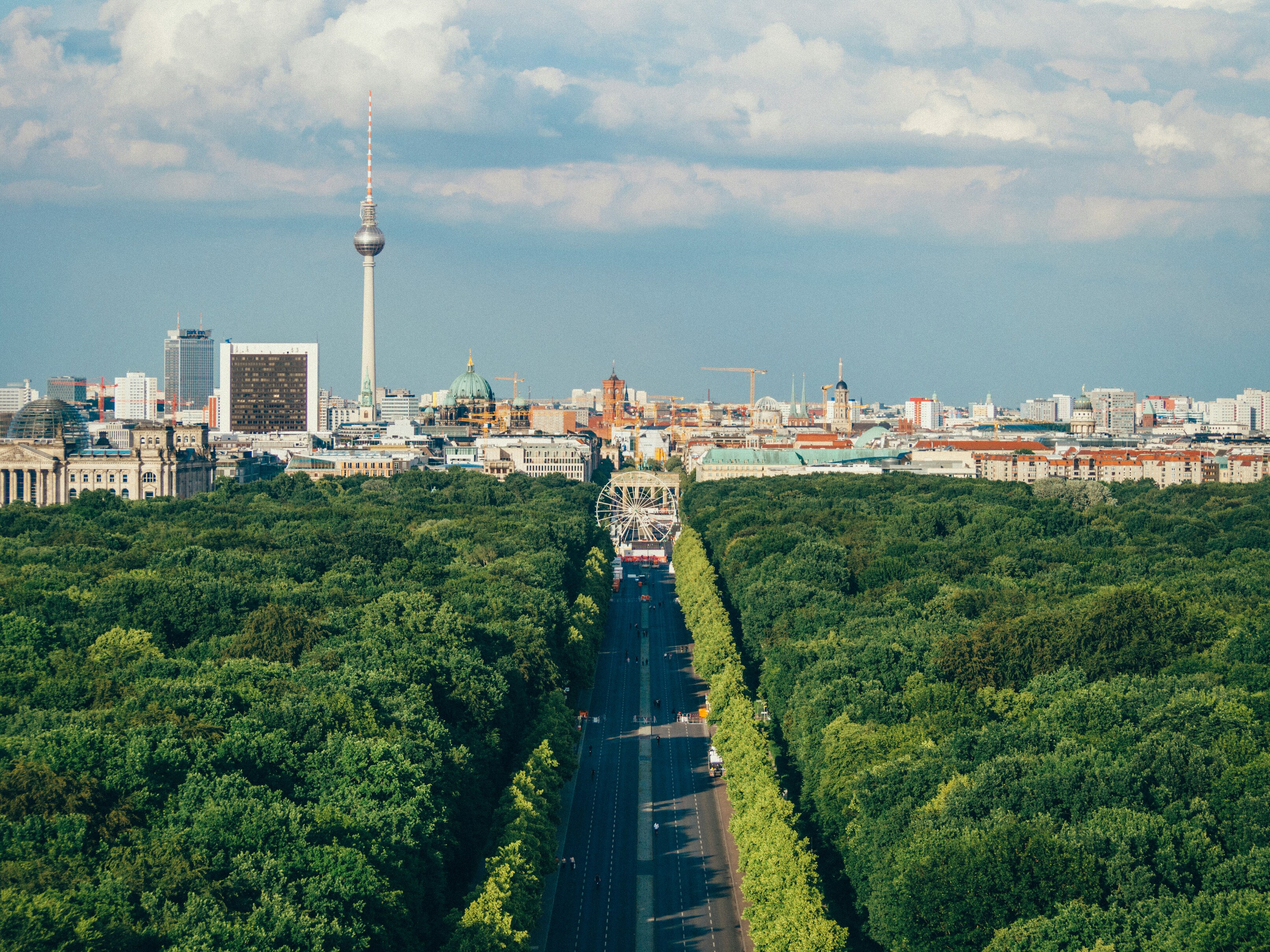
Berlin’s Multi-Family Residential assets outperform all other classes, driven by a high MSA Land Use value (0.36). This reflects Berlin’s unique urban planning, where residential blocks often incorporate significant internal courtyards and proximity to public forests (Forst) or parks. Assets such as those at Strausberger Platz (Rank 1, Score: 85.05) demonstrate how residential density can coexist with high ecological intactness.
2. The Office Challenge: Species vs. Cover
Office assets in Berlin face a specific paradox. While they have the lowest Natural Cover (19.8%), they share the highest average Threatened Species Total (3.1) with the Hospitality sector. This suggests that Berlin’s commercial centers are frequented by at-risk urban species despite the high ratio of artificial surfaces. For asset managers, this indicates high management complexity, where redevelopments must carefully account for local fauna.
3. High Sensitivity in Retail and Industrial
Berlin’s Retail (1.99) and Industrial (1.91) assets show the highest Protected Area Sensitivity. These properties are often located on the city’s periphery or in zones that border Berlin's extensive network of nature reserves (Naturschutzgebiete). This proximity increases the nature-related risk exposure and reporting requirements for these asset types under local environmental laws.
Strategic Implications for Real Estate Teams
The data indicates that Berlin portfolios require a segmented approach to nature strategy:
- For Multi-Family: The goal is preservation. Maintaining high MSA values is a value-add for tenant experience and future-proofing against stricter local urban greening mandates.
- For Industrial & Retail: The focus is on boundary risk. Given the high sensitivity scores, managers must monitor potential impacts on adjacent protected lands to satisfy investor DDQs.
- For Office: The opportunity lies in urban restoration. Improving natural cover from a 19.8% baseline can significantly enhance building resilience and asset appeal.
Major institutional investors are already moving on this data. Funds such as Allianz Group and Oxford Properties are increasingly using tools like the TNFD LEAP assessment to map these exact metric variances across their global holdings.
Benchmark Your Berlin Asset
How does your building compare to the Berlin city average? Use the Aura tool in this article to search any address and see its specific percentiles for Natural Cover, Species count, and Sensitivity.