The Data: Biodiversity Metrics by London Asset Class
Understanding a building's ecological impact requires looking beyond a single number. Aura evaluates sites using four primary indicators: Natural Cover, MSA Land Use (ecosystem intactness), Protected Area Sensitivity, and Threatened Species Total. These figures are the average raw values and scores derived from over 1,000 London property assessments.
The table below breaks down the average performance of London’s primary asset classes across these specific metrics.
| Asset Type |
Overall Score |
Natural Cover % |
MSA Land Use |
Protected Area Sensitivity |
Threatened Species |
| Multi-Family |
68.3 |
19.0% |
0.24 |
0.67 |
3.3 |
| Industrial |
66.1 |
17.4% |
0.23 |
0.75 |
2.5 |
| Hospitality |
53.1 |
12.8% |
0.18 |
0.67 |
5.4 |
| Office |
44.7 |
9.6% |
0.15 |
0.81 |
4.7 |
Data Source: Aura Biodiversity Intelligence (Based on ESA, GBIF, and WDPA datasets)
Use the free tool below to see how your own asset compares.
Key Findings: Metric-Level Variation
1. The Natural Cover Disparity
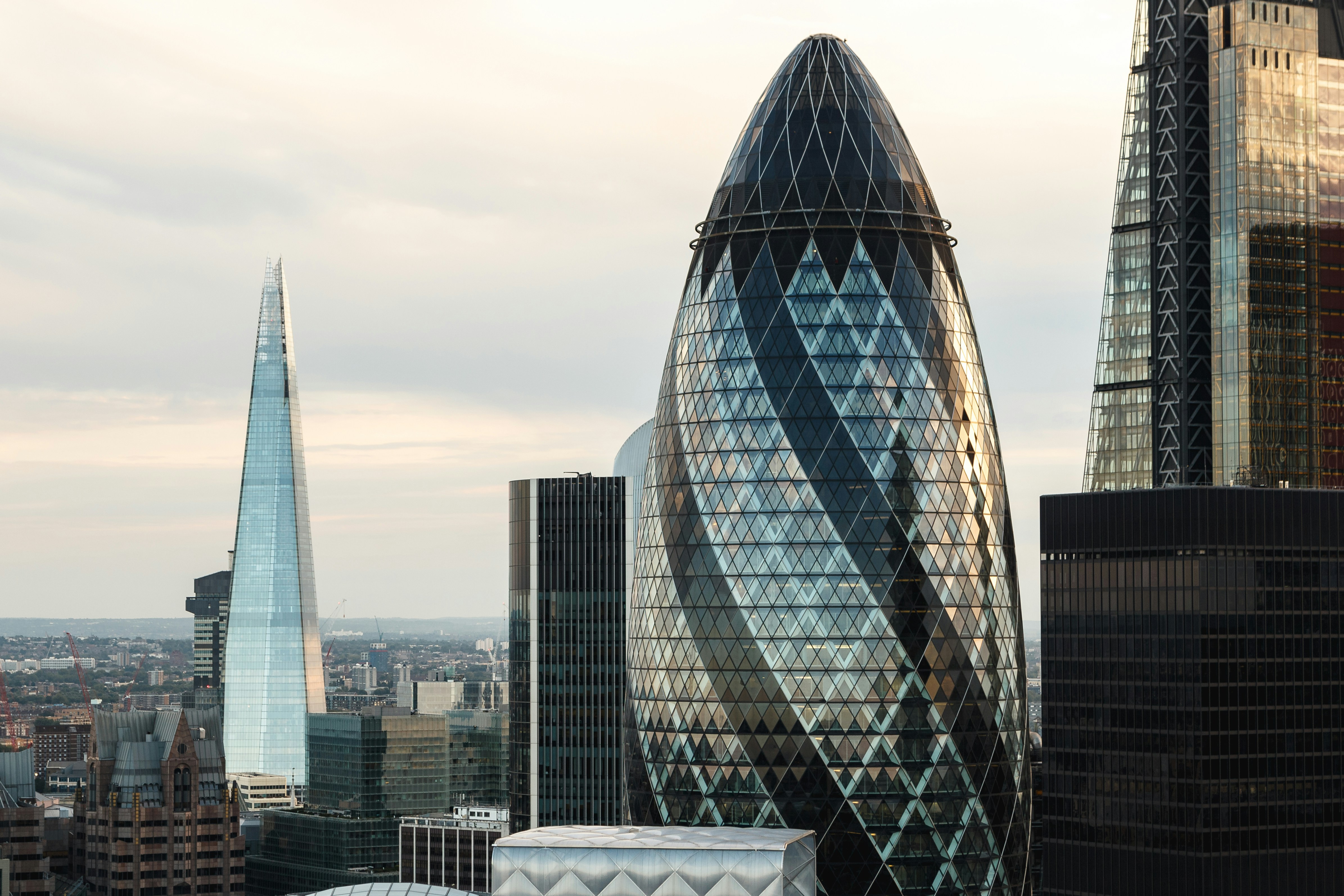
The most significant disparity between asset classes is found in Natural Cover. Office assets average just 9.6% natural cover within a 500m radius, reflecting their concentration in "Grey Core" areas like the City of London and Canary Wharf.
In contrast, Multi-Family Residential assets maintain significantly higher MSA Land Use values (0.24). This indicates that residential developments are more frequently situated near "soft" landscaping or established green spaces that support higher ecosystem intactness than the artificial environments surrounding high-density office blocks.
2. Threatened Species & Management Complexity
The Hospitality and Office sectors report the highest average Threatened Species Total (5.4 and 4.7 respectively). While these areas often have less green space, their location near the River Thames and historic urban parks makes them hotspots for at-risk species. For an asset manager, high species counts in a low-natural-cover area indicate high management complexity, requiring careful ecological oversight during building maintenance or renovations.
3. Industrial Assets and Boundary Risk
Industrial assets (Avg Score: 66.1) perform surprisingly well on ecosystem intactness (0.23 MSA Land Use). However, their Protected Area Sensitivity (0.75) is higher than that of residential sites. This indicates that industrial properties are frequently located on the urban fringe bordering protected green belts, creating a distinct "boundary risk" that managers must monitor to satisfy investor reporting.
Strategic Implications for Real Estate Teams
The variation in these metrics demonstrates why a mixed-use portfolio requires a tailored nature strategy:
- For Office Portfolios: The focus is on restoration. Urban greening interventions, like green roofs, can improve Natural Cover from its currently low baseline.
- For Residential & Industrial: The priority is preservation. High existing scores must be protected from operational degradation to maintain asset value.
Institutional investors are moving quickly on this data. Allianz Group and Oxford Properties are already utilizing location-based intelligence to align with the TNFD LEAP framework, using these exact metric variances to prioritize action across their global holdings.
Benchmark Your Asset
Is your building an outperformer or a laggard within its class? Use the Aura tool in this article to find your address, view your specific percentiles, and see how you stack up against the London averages.